Compare Local Contractors for Your General Contracting Needs
Compare local contractors to define project scope, verify experience, and set clear expectations in writing to ensure a successful general contracting process.
Contractor services for general contracting typically encompass a wide range of responsibilities involved in managing and executing construction or renovation projects. These professionals coordinate various trades, oversee project logistics, and ensure that all aspects of the work align with the project’s specifications. Whether it's a major remodel, new construction, or extensive repairs, general contractors handle tasks such as procuring materials, managing subcontractors, and maintaining communication with property owners to keep the project organized and on track.
Defining the scope of work is a critical step when working with general contractors. Clearly outlining what needs to be accomplished helps prevent misunderstandings and sets realistic expectations for the project. A well-defined scope includes details about the work to be done, materials to be used, and specific outcomes desired. Documenting these details in writing provides a reference point that can help resolve disputes or clarify responsibilities, ensuring that both property owners and contractors are aligned throughout the project's duration.
Property owners can effectively compare local contractors by reviewing their experience with similar projects, understanding their approach to managing work, and verifying their reputation within the community. It’s helpful to ask for references or examples of past work, and to clarify how each contractor plans to handle project coordination and communication. Additionally, reviewing written proposals that detail the scope, responsibilities, and expectations can assist in evaluating which service providers are best suited for the specific needs of the project. This approach supports making informed decisions when selecting a contractor to ensure the work aligns with the property owner’s goals.
Compare local contractors by outlining your project priorities, verifying experience, and clearly defining expectations in writing.
- Compare Contractor Options - evaluate multiple local contractors to find the best match for your project needs.
- Define Project Scope - clearly outline the work requirements to ensure all parties understand expectations.
- Verify Experience and Expertise - review the background and past work of local service providers to assess suitability.
- Document Agreements in Writing - establish detailed contracts to set clear expectations and reduce potential misunderstandings.
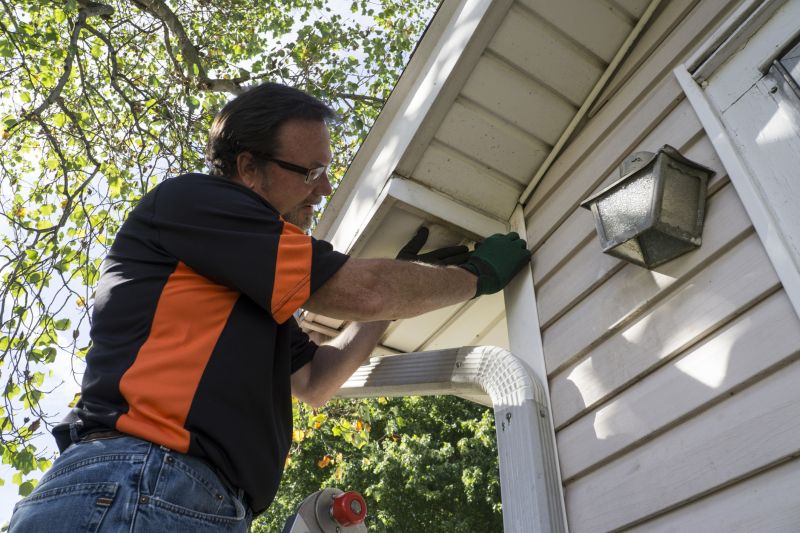
Clearly describe your project scope to effectively compare local contractors and ensure aligned expectations.
- Verify experience and track record in managing similar projects to ensure reliable service providers. - Evaluate the contractor's history of handling projects comparable in scope and complexity.
- Compare credentials and references to assess the contractor’s reputation and quality of work. - Seek reviews or testimonials from previous clients and verify their professional background.
- Define project scope and expectations clearly in written agreements to avoid misunderstandings. - Ensure all project details, responsibilities, and deliverables are documented thoroughly.
- Check for proper insurance and bonding to protect against liabilities and unforeseen issues. - Confirm that the contractor maintains appropriate coverage to mitigate potential risks.
- Assess communication style and responsiveness to determine the contractor’s ability to keep you informed throughout the project. - Choose service providers who demonstrate clear and timely communication practices.
- Compare multiple local contractors to evaluate their expertise, professionalism, and suitability for the project. - Gathering information from different providers helps in making an informed decision.
Use local contractors to compare expertise, clarify project scope, and set clear expectations in writing.




This scope builder helps you compare local contractors consistently by defining project details, verifying experience, and setting clear expectations in writing.
- Define Project Scope - clearly outline the specific work tasks and responsibilities expected from the contractor.
- Verify Experience and References - assess the contractor’s background and seek references to confirm their expertise with similar projects.
- Establish Communication Expectations - determine preferred methods and frequency of updates to ensure effective collaboration.
- Set Documentation Standards - agree on written agreements that specify project details, responsibilities, and deliverables.
- Assess Compatibility and Work Style - evaluate how well the contractor’s approach aligns with project needs and working preferences.
When comparing general contractor services, it’s important to assess each contractor’s experience with projects similar to the one at hand. Homeowners should inquire about the types of projects they have completed that resemble the scope and complexity of the current project. Contractors with relevant experience are more likely to understand potential challenges and best practices, helping to ensure the work is handled efficiently and effectively. This background can provide confidence that the service provider has the knowledge necessary to manage the unique aspects of a specific project.
A clear, written scope of work is essential when evaluating potential service providers. This document should outline the specific tasks, deliverables, and responsibilities expected from the contractor. A detailed scope helps prevent misunderstandings and sets mutual expectations, serving as a foundation for any future discussions or adjustments. Homeowners are encouraged to review the scope carefully to ensure it aligns with their needs and to ask for clarification or additional details if any part of it is vague or incomplete.
Verifying the basics of a contractor’s background is a key step in the comparison process. This includes checking references or reviews from previous clients, confirming the contractor’s track record with similar projects, and understanding their approach to project management. Gathering this information helps homeowners gain insight into the contractor’s reliability, communication style, and overall quality of work. While formal licensing or certification may not be discussed here, understanding a contractor’s reputation and experience can be valuable indicators of their ability to deliver satisfactory results.
Evaluating options without focusing on prices involves assessing how well each contractor’s proposal aligns with the project’s scope and expectations. Homeowners should consider the level of detail in the proposal, the clarity of the scope, and the professionalism of the presentation. Comparing how each service provider plans to approach the project, manages potential issues, and communicates about the work can help identify the most suitable candidate. This thorough review process ensures that homeowners select a contractor who understands their needs and can deliver the project as envisioned.
Ask contractors to provide written scope details to ensure clear expectations and consistent project understanding.
- Experience and Portfolio - What types of projects have local contractors completed similar to this scope?
- Scope Definition - How clearly do the contractors outline the work included and any exclusions?
- Communication and Clarification - What methods do local service providers use to ensure expectations are documented?
- Project Management Approach - How do contractors coordinate different phases and handle changes during the project?
- Comparison of Services - What specific services and deliverables are included to help compare different contractors effectively?
What should I consider when choosing a general contractor? It's important to compare different service providers by reviewing their experience, credentials, and reputation. Clearly defining the scope of work and setting expectations in writing can help ensure a smooth project. Verifying a contractor’s previous work and asking for references can provide additional confidence. Make sure to discuss project details thoroughly before making a decision.
How can I verify a contractor’s experience? You can ask contractors about their past projects similar to your needs and request references or examples of completed work. Reviewing their portfolio and checking for consistent quality can help assess their expertise. It’s also helpful to confirm their familiarity with the specific type of project you have in mind.
What is the best way to compare different contractors? Comparing contractors involves evaluating their qualifications, work history, and client feedback. Request detailed descriptions of their approach to similar projects and clarify what is included in their scope of work. Ensuring clear communication and written agreements can facilitate an effective comparison.
Why is it important to have a written scope of work? A written scope of work outlines project details, responsibilities, and expectations, which helps prevent misunderstandings. It provides a clear reference for both parties and can serve as a basis for accountability throughout the project. Having everything documented ensures all aspects are agreed upon upfront.
How can I set clear expectations with a contractor? Clearly communicate your project goals, specific requirements, and desired outcomes. Discuss the scope, materials, and any preferences in detail, and request that these are documented in the contract. Regular updates and written agreements help keep everyone aligned during the project.
What should I include in a contract with a contractor? A comprehensive contract should detail the scope of work, project specifications, responsibilities, and expectations. It should also include payment terms, timelines, and procedures for handling changes or issues. Having these elements in writing helps ensure clarity and accountability.
This page has highlighted the importance of thoroughly comparing local contractors to find the right fit for general contracting needs. Visitors have learned how to clearly define project scope, verify experience, and establish expectations in writing, ensuring a more informed decision-making process. Taking the time to evaluate options with these considerations can help streamline the process of selecting service providers who meet specific project requirements.
Using the provided quote form is an effective way to explore and compare different service providers in the area. It offers an opportunity to gather information, ask questions, and connect with local contractors who can handle the job. By taking this step, visitors can better understand their options and find the right professionals to support their project goals.